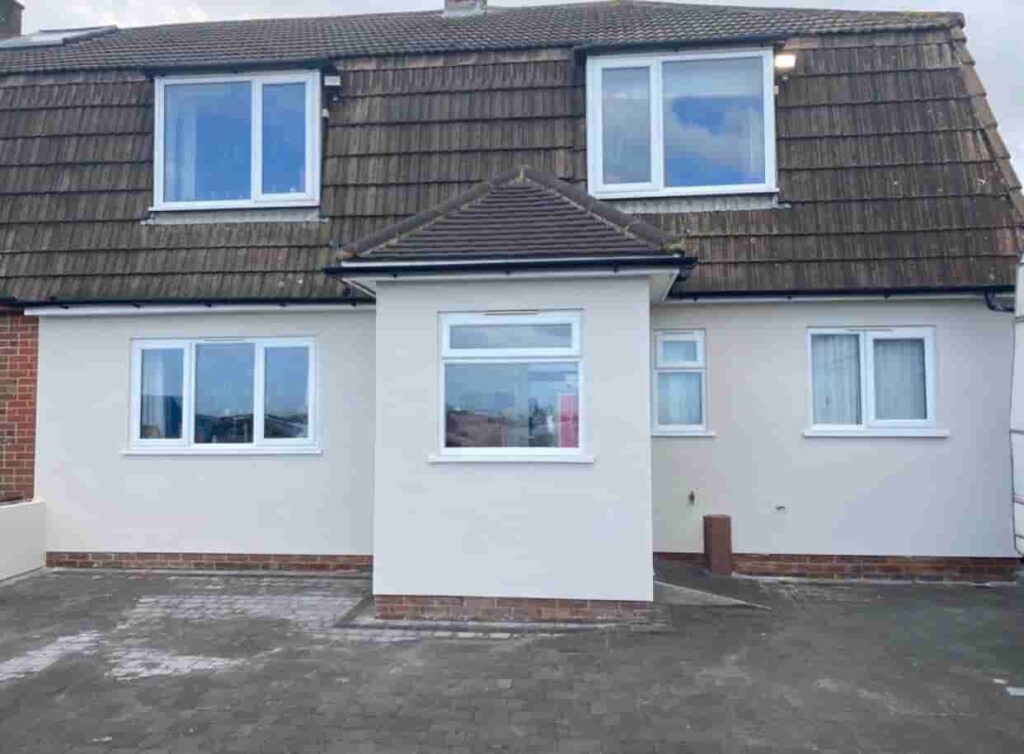
A well-maintained roof can provide dependable protection for many years, and individual problems do not necessarily mean that the entire roof needs replacing. Slipped tiles, localised leaks and damaged flashing can often be resolved through professional repairs. However, there comes a point when deterioration is no longer confined to one area and the condition of the roofing system as a whole needs to be considered.
For homeowners in Earley, Berkshire, recognising the difference between an isolated repair and widespread roof deterioration can help determine the most appropriate next step. At LS Roofing Earley, we assess the complete condition of a roof before recommending whether repairs remain suitable or a replacement roof would provide a more dependable long-term solution.
1. Roofing Problems Are Becoming More Frequent
Occasional roof repairs are a normal part of property maintenance. The situation becomes different when new problems continually appear across separate sections of the roof.
You might notice that one leak is repaired only for another to develop elsewhere, or that slipped and damaged tiles are becoming increasingly common.
Repeated defects can indicate that several roofing components are deteriorating at a similar rate. At this stage, continuing to treat each problem individually may no longer address the wider condition of the roof.
2. Large Areas of Tiles Are Deteriorating
One or two damaged tiles can usually be treated as a localised repair. Widespread tile deterioration deserves closer attention.
Signs may include:
- Numerous cracked or broken tiles
- Repeatedly slipping tiles
- Significant surface deterioration
- Large areas that appear uneven
- Loose or unstable roofing materials
When defects extend across substantial areas, the condition of the supporting components beneath the tiles should also be investigated.
Replacement roofing provides an opportunity to assess and renew the system as a whole rather than continuing to repair individual sections.
3. Roof Leaks Keep Returning
A recurring leak is an important warning sign, particularly when previous repairs have already been carried out.
Water does not always enter directly above the point where it becomes visible inside the property. It can travel beneath tiles, along underlay or around roof junctions before appearing on a ceiling or wall.
Repeated leaks may indicate deterioration affecting areas such as:
- Roofing underlay
- Flashing
- Valleys
- Tile fixings
- Battens
- Roof junctions
If water ingress is occurring in several locations, a detailed assessment can determine whether further repairs are likely to provide reliable results or whether replacement should be considered.
4. The Roof Is Showing Widespread Signs of Ageing
Age alone does not determine whether a roof requires replacement. Some older roofs remain serviceable because they have been well constructed and properly maintained.
However, roofing materials are continually exposed to rain, wind, frost and temperature changes. Eventually, this exposure can affect multiple components at once.
An ageing roof becomes more concerning when its age is accompanied by brittle materials, recurring repairs, widespread weathering or declining weather resistance.
The combination of these factors, rather than age by itself, can indicate that the roof is approaching the stage where replacement deserves consideration.
5. Problems Extend Beyond the Visible Roof Covering
The tiles or slates are only the outer layer of a complete roofing system.
Underneath are important supporting elements that contribute to the roof’s stability and resistance to the weather. When these components deteriorate, replacing a few visible tiles may not resolve the underlying problem.
A professional assessment may identify issues involving:
- Underlay
- Battens
- Fixings
- Roof timbers
- Flashing
- Ridge and hip details
Where deterioration extends through several layers of the roofing system, replacement can provide an opportunity to deal with these interconnected problems properly.
6. Several Parts of the Roof Need Attention at the Same Time
Another indication that replacement may be appropriate is when numerous different defects develop together.
For example, the roof might have deteriorating tiles in one section, worn flashing elsewhere and recurring problems around ridges or roof junctions.
Individually, each issue might be repairable. Collectively, however, they may show that the roof is experiencing general deterioration rather than a single isolated failure.
Looking at the complete roof helps establish whether continuing with separate repairs remains the sensible approach.
7. Repairs Are No Longer Providing Lasting Reliability
The purpose of a professional roof repair is to restore reliable protection to the affected area. If properly completed repairs continue performing well and the surrounding roof remains sound, there may be no reason to replace the roof.
However, a different approach may be needed when repairs are continually followed by new failures in adjacent or unrelated sections.
At this stage, the question is no longer simply whether another repair can be carried out. It is whether the existing roofing system can continue providing dependable protection as a whole.
A Replacement Roof Can Address More Than Visible Damage
One of the major advantages of replacement roofing is that the existing covering can be removed, allowing normally concealed areas to be inspected.
This provides an opportunity to identify deterioration that might not have been visible during smaller repair projects.
Where necessary, important roofing components can then be renewed before the new covering is installed. The result is a coordinated roofing system rather than a collection of repairs carried out at different times.
Replacement Should Not Be Recommended Unnecessarily
Seeing one of these warning signs does not automatically mean that your home needs a new roof.
A small leak may have a straightforward cause. Several damaged tiles could be confined to one section. Flashing can sometimes be repaired independently while the remainder of the roof continues performing effectively.
The important factor is the extent and underlying cause of the deterioration.
At LS Roofing Earley, we believe the condition of the roof should determine the work required. A professional inspection helps distinguish between problems that can be effectively repaired and those indicating wider deterioration.
Why a Thorough Roof Inspection Matters
Deciding between roof repair and replacement requires more than looking at the roof from ground level.
An experienced roofer can assess how the different components are performing together and identify whether visible damage is isolated or part of a more extensive problem.
This assessment may consider:
- The general condition of the roof covering
- The extent of damaged materials
- Previous repair areas
- Signs of water ingress
- Flashing and roof junctions
- Ridge and hip areas
- Supporting roofing components
- The overall reliability of the existing system
This provides homeowners with a clearer basis for deciding what their roof genuinely needs.
Conclusion
A home could be ready for a replacement roof when problems are widespread, leaks repeatedly return, numerous tiles are deteriorating or several parts of the roofing system begin failing at the same time. An older roof that requires increasingly frequent attention may also benefit from a complete assessment to determine whether continued repairs remain appropriate.
For homeowners in Earley, Berkshire, LS Roofing Earley provides professional roof inspections, repairs and replacement roofing based on the individual condition of each property. If your roof is developing several of these warning signs, our experienced team can assess the roofing system and recommend an appropriate solution designed to restore dependable protection to your home.
Call us on: 0118 230 9182
Click here to find out more about LS Roofing Earley
Click here to complete our contact form and see how we can help with your roofing needs.